Creating a lush, green yard is often the dream of many homeowners. A well-maintained lawn not only enhances the aesthetic appeal of your property but also increases its value. One essential component in achieving this is an effective yard sprinkler installation. In this guide, we'll delve into everything you need to know about installing a sprinkler system, from planning and purchasing to installation and maintenance.
The Ultimate Guide to Yard Sprinkler Installation
Understanding Your Yard's Watering Needs
Before diving into yard sprinkler installation, it's crucial to assess your yard's unique watering needs. Not all lawns are created equal; factors such as soil type, grass species, and sunlight exposure can significantly influence how much water your yard requires.
Soil Type: Different soils absorb water at varying rates. Sandy soils drain quickly and require more frequent watering, while clay soils hold moisture longer but may lead to pooling if overwatered.
Grass Species: Some grasses thrive on less water than others. For instance, Bermuda grass is drought-tolerant compared to Kentucky bluegrass, which requires more consistent moisture.
Sunlight Exposure: Areas of your yard that receive full sun will dry out faster than shaded sections, necessitating tailored watering strategies for different zones.
Choosing the Right Sprinkler System
When it comes to choosing a sprinkler system, there are several options available:
- In-Ground Systems: Ideal for larger properties, these systems offer automatic irrigation through underground pipes and pop-up heads. Above-Ground Systems: More affordable but less aesthetically pleasing, these systems can be moved around as needed. Drip Irrigation Systems: Excellent for gardens or flower beds, these systems deliver water directly to the plant roots, minimizing waste.
Consider consulting with one of the many professional sprinkler irrigation companies in your area to determine which system best suits your landscape.
Planning Your Yard Sprinkler Installation
Once you've selected the appropriate system for your yard, the next step involves planning its layout. A well-planned installation can save time and resources down the line.
Map Out Zones: Divide your yard into zones based on sunlight exposure and plant types. This allows for targeted watering applications.
Determine Water Pressure: Knowing your home’s water pressure helps ensure adequate coverage without overloading the system.
Select Appropriate Sprinklers: Choose sprinklers based on their radius and spray pattern to ensure complete coverage across all zones.

DIY vs Professional Installation
One question homeowners often grapple with is whether to undertake a DIY project or hire professionals from local lawn sprinkler companies or specialized contractors.
Advantages of DIY:
- Cost Savings: Tackling the installation yourself can save you significant money. Learning Experience: You’ll gain valuable knowledge about lawn care and maintenance along the way.
Disadvantages of DIY:
- Time Investment: Installing a sprinkler system can be labor-intensive and time-consuming. Potential Mistakes: Without expertise in irrigation design, you risk costly errors that could affect performance or require future repairs.
On the other hand, hiring professionals ensures that the job is done correctly and efficiently. Companies specializing in residential irrigation services often provide warranties on their work too!
Installation Steps for Your Yard Sprinkler System
If you've decided on DIY installation, here’s a step-by-step process to guide you through:
Gather Tools and Materials- PVC pipes Connectors Sprinkler heads A shovel Pipe cutter Teflon tape
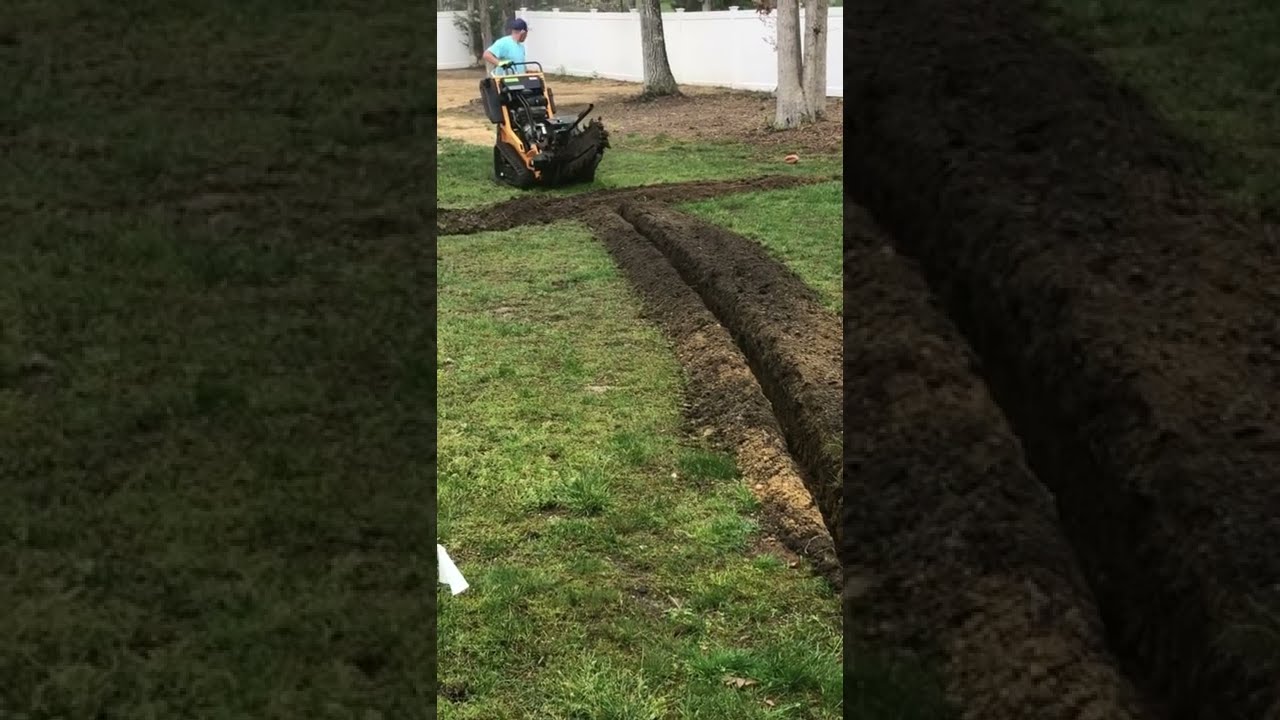
- Excavate trenches where pipes will run—typically 6-12 inches deep depending on frost depth in your area.
- Lay out PVC pipes according to your planned layout and secure joints with connectors using Teflon tape for sealing.
- Install sprinkler heads at appropriate intervals based on their spray radius ensuring adequate coverage without overlap or dry spots.
- Attach the system to an existing water source (like a hose bib) using proper fittings.
- Turn on the system and check for leaks or misaligned heads; make necessary adjustments before covering trenches back up with soil.
Maintaining Your Lawn Sprinkler System
Regular maintenance ensures efficiency year-round:
- Check for Clogs: Periodically inspect sprinkler heads for debris that might impede flow. Seasonal Adjustments: Adjust timers based on weather conditions; increase frequency during dry spells or decrease during rainy seasons. Winterization: Prepare your system for winter by draining lines and insulating exposed components against freezing temperatures—especially critical in regions like Jacksonville FL!
FAQs About Yard Sprinkler Installation
How much does yard sprinkler installation typically cost? The cost varies significantly based on yard size and complexity but usually ranges from $1,500-$3,000 for residential installations by professional companies.
Can I install my own sprinkler system? Yes! Many homeowners successfully install their systems; however, adequate research is vital to avoid common pitfalls associated with improper layout or component selection.
How long does it take to install a sprinkler system? A typical residential installation may take anywhere from one day up to a week depending on complexity and whether you're doing it yourself or hiring professionals.
What should I do if my sprinklers are running unevenly? Check for blockages in heads or adjust their positioning; uneven pressure could also point toward issues within your main line requiring professional inspection.
Do I need a permit for my sprinkler installation? Depending on local regulations—especially if involving significant excavation—you may need permits; consult city guidelines before proceeding
How do I winterize my sprinkler system? To prevent damage from freezing temperatures:
- Shut off water supply Drain pipes completely Insulate exposed components
Conclusion
Installing a yard sprinkler system can dramatically enhance both the appearance and health of your lawn while saving you time spent manually watering plants under sweltering sun! By following this ultimate guide—from understanding specific needs through careful planning—to either opting for DIY methods or hiring experienced professionals like those found among http://clear-water-irrigation-and-drainage-101.cavandoragh.org/when-to-consider-a-sprinkler-system-replacement local residential irrigation companies—you’ll be well-equipped for success!

So what are you waiting for? Dive into creating that lush oasis you've always dreamed about!